

5 Picks for 5 Buyers
This guide picks one winner per buyer type, not a single overall ranking. A $159 budget band and a $799 outdoor watch are not competitors — they are answers to different questions. Most people should buy the Apple Watch Series 11. Runners should jump to the Forerunner 265. Budget shoppers should go to the Fitbit Charge 6. Read the full picks below for the right answer for your situation.
- Apple Watch Series 11 — Best Overall — Check Price
- Garmin Forerunner 265 — Best for Runners — Check Price
- Fitbit Charge 6 — Best Budget Tracker — Check Price
- Apple Watch Ultra 3 — Best Premium / Outdoor — Check Price
- Oura Ring 4 — Best Smart Ring (Wrist-Free) — Check Price
Anti-pick: Apple Watch SE 3. A great smartwatch, but the wrong sensor stack for the term “fitness tracker.”
At a Glance
| Slot | Product | Best For | Price | Battery (real) | GPS | Display |
|---|---|---|---|---|---|---|
| Overall | Apple Watch Series 11 | Best overall (iPhone) | $399 | ~24 hr | Single-band | AMOLED |
| Runners | Garmin Forerunner 265 | Best for runners | $349 | 13 days / 20 hr GPS | Multi-band L1+L5 | AMOLED |
| Budget | Fitbit Charge 6 | Best budget | $159 | 7 days / 5 days w/ GPS | Single-band built-in | AMOLED |
| Premium | Apple Watch Ultra 3 | Best premium / outdoor | $799 | ~36 hr (72 hr LPM) | Multi-band L1+L5 | AMOLED |
| Smart Ring | Oura Ring 4 | Best smart ring | $349 + $5.99/mo | 8 days | None (no on-device) | No display |
Prices are MSRP at time of writing. Street prices on Amazon move daily — click through to verify.
Most “best fitness tracker” lists rank by feature count and call it a day. That is how you end up recommending a $700 watch to someone who wants to track sleep and walks. The right answer depends on what you actually do — and which ecosystem you live in. This guide is built around five buyer types, not five feature checklists.
Prices move fast. Street prices below were checked on April 30, 2026 — always re-check current Amazon deals before you buy. Our slot picks are stable; only the runners-up tend to churn between refreshes.
How We Ranked
This guide gives you one winner per buyer type. We picked five buyer slots based on the questions a fitness-tracker shopper actually asks: What is best overall? What is best for running? What is the best budget pick? What is the best premium/outdoor option? What is the best non-watch alternative? Other slots exist — Best Lifestyle Smartwatch, Best for Android, Best Recovery-Only Band — we cover those in dedicated guides. Picking the slot frame is itself an editorial choice; we make it explicit so you can decide whether our framing matches your question. Within each slot, picks are based on:
- Buyer fit: A budget tracker and a premium outdoor watch are different products for different people. Each pick gets a slot defined by who it is for, not by where it lands on a generic spec sheet.
- Sensor stack: Heart rate accuracy, GPS reliability (multi-band wherever possible), sleep tracking, and ECG/SpO2 where the use case matters. Cheap optical heart rate sensors get marked down.
- Ecosystem: Apple Watch only works with iPhone. Some Garmin features need Garmin Connect. Oura needs a subscription. We weight ecosystem fit explicitly, because lock-in is real.
- Battery realism: Manufacturer claims are best-case. We weight real-world battery during normal use (sleep tracking on, occasional workouts, notifications enabled).
- Value: A $799 watch does not earn extra points for costing more. It has to justify the gap in features people will actually use.
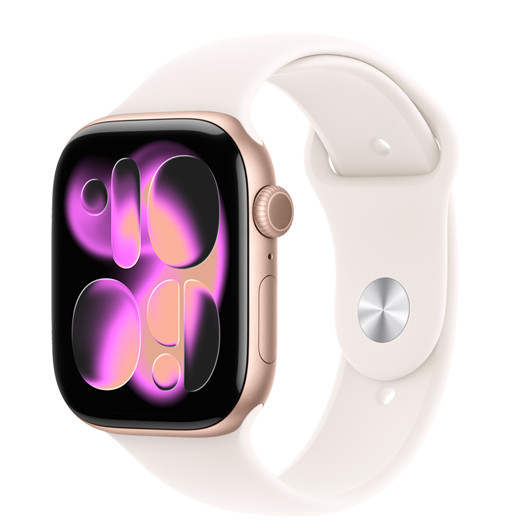
Apple Watch Series 11 — Best Overall ($399)
Check current price on Amazon →
The default answer for most shoppers. The Series 11 is the most complete fitness tracker on the market when you weight ecosystem, app coverage, and daily usability — not just sport-specific features. ECG, blood-oxygen, sleep, hypertension notifications, fall detection, contactless payments, and the broadest third-party app library on any wrist. It is not the best running watch, not the best ring, not the longest-lasting battery — but it is the watch most people will actually use every day. That is the point.
Two things separate the Series 11 from every other mainstream watch in 2026. First, the sensor stack: a true four-sensor health system (heart rate, ECG, SpO2, skin temperature) plus newer hypertension notifications and an FDA-cleared sleep apnea screen. Most rivals are still chasing parity on those last two. Second, the app ecosystem: Strava, Nike Run Club, MyFitnessPal, Peloton, AllTrails, Headspace, and every major glucose-monitor app run native on watchOS. No other platform has that breadth, and it is what makes the Series 11 the watch most buyers actually wear long term.
The trade-offs are real. Battery life is the obvious one — ~24 hours in normal use, less with workouts and always-on. The other is the iPhone lock-in: this watch literally will not pair with an Android phone. If either of those is a deal-breaker, the Forerunner 265 below is the right move.
Buy if: You own an iPhone and want one watch that does fitness, health monitoring, notifications, and payments without compromise.
Skip if: You are on Android, you push longer than ~2 hours of GPS daily, or you cannot live with a nightly charge.
Pros
- Most complete health-sensor stack on a mainstream watch (ECG, SpO2, hypertension alerts, sleep apnea detection)
- Native iPhone integration that nothing else can match — calls, texts, Apple Pay, Maps, transit
- Best third-party app ecosystem, period. Strava, Nike Run Club, MyFitnessPal, Peloton, all native
Cons
- iPhone-only. If you are on Android, this is not your watch — go to the Forerunner 265 below
- Battery life is still ~24 hours in real use, less with workouts and always-on display
Who it’s for: iPhone owners who want one watch that does everything well, not one thing perfectly.
Runner-up (Best Overall): Apple Watch Series 10 (closeout, ~$299). Same ecosystem, nearly identical sensor stack, but no hypertension alerts and one generation behind on chip and display. Hard to find new at this point; check Apple Refurbished.
👉 Also consider: If you push longer than ~2 hours of GPS most days, jump up to the Apple Watch Ultra 3 below. The Series 11 will struggle.
Go deeper: How it stacks up against the Oura Ring 4.
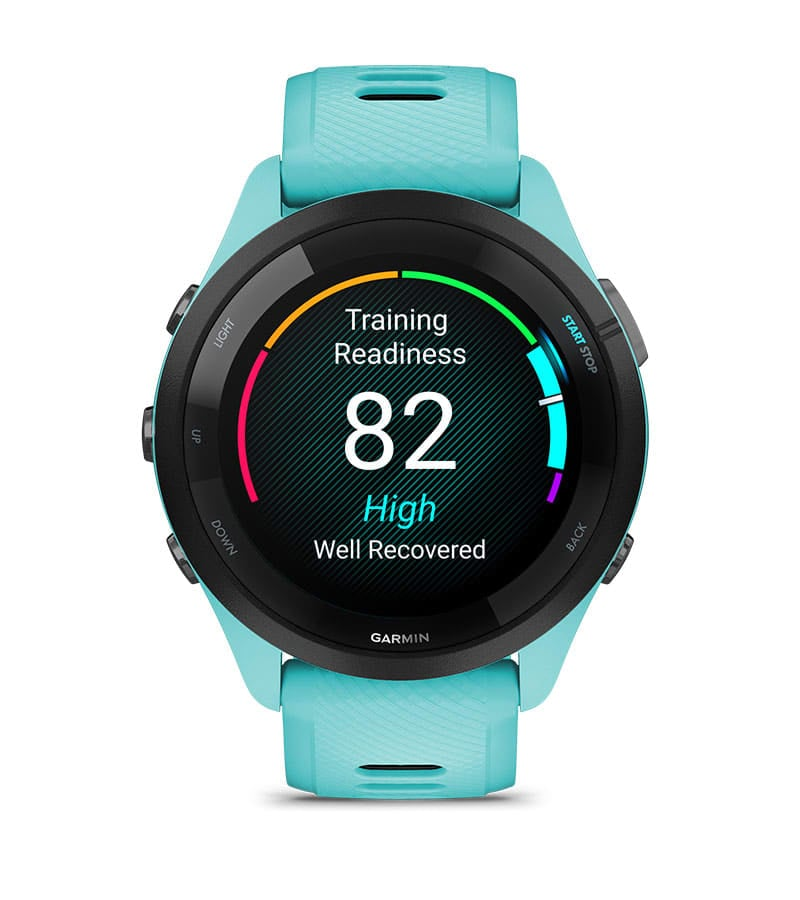
Garmin Forerunner 265 — Best for Runners ($349)
Check current price on Amazon →
If you run more than three days a week, the Forerunner 265 is the right buy. Multi-band GPS, an AMOLED display you can actually read in sunlight, and Garmin’s training brain — Training Readiness, PacePro, Race Widget predictions — all in a watch that streets at $349. Apple’s running coach does not exist at this depth. Polar’s hardware is behind. Coros is close on price, but Garmin’s training intelligence is still the gold standard for runners who care about pacing, recovery, and race execution.
Buy if: You run 3+ days a week, follow a structured training plan, or want race-day pacing intelligence on your wrist.
Skip if: You want a deep app ecosystem, LTE-on-watch, or a single watch that handles fitness and heavy daily smartwatch use.
Pros
- Multi-band L1+L5 GPS — the only sub-$400 watch where pace data is reliable in cities and tree cover
- Training Readiness + PacePro + Race Widget make this a coaching tool, not just a recorder
- 20-hour GPS battery — survives a full marathon prep cycle on one charge per week
Cons
- Garmin’s smart features lag Apple — notifications work, but app ecosystem is thin
- No LTE option — your phone has to come along for music or emergency calls
Who it’s for: Runners — first marathoners, half-marathoners, repeat marathoners. Anyone whose training plan includes structured workouts.
Runner-up (Best for Runners): Coros Pace Pro (~$349). AMOLED, dual-band GPS, longer battery, lower starting price. Loses on training intelligence — Garmin’s Training Readiness, PacePro, and Race Widget are still deeper than Coros’s coaching layer.
👉 Also consider: Tighter budget? The Coros Pace 3 at ~$199 gives you multi-band GPS and 38-hour battery, just without Garmin’s training intelligence. See our Best Marathon Training Watch Under $500 roundup for the full breakdown.
Go deeper: Forerunner 265 vs Apple Watch Series 11 — full comparison.
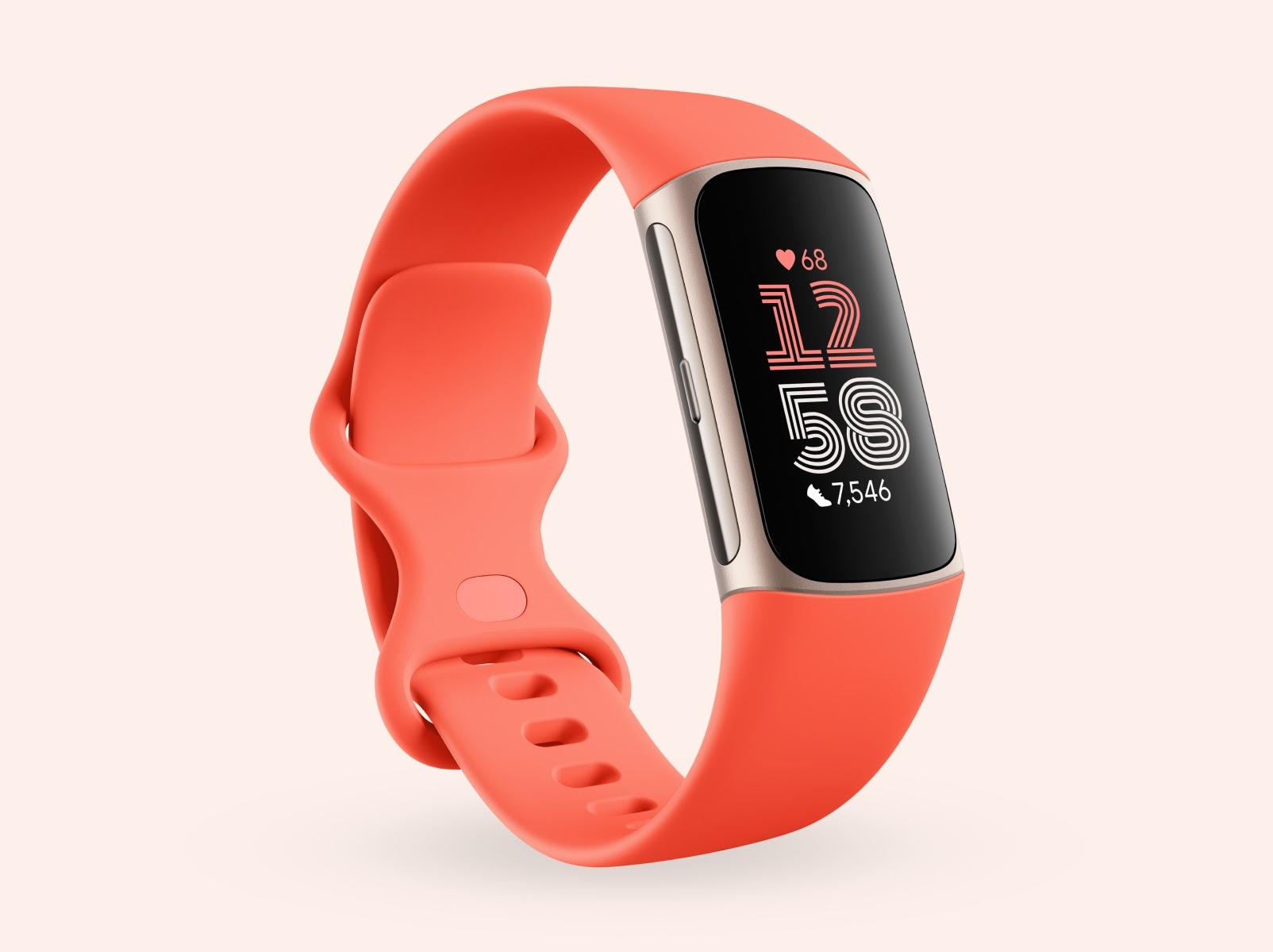
Fitbit Charge 6 — Best Budget Tracker ($159)
Check current price on Amazon →
The Charge 6 is the right buy for anyone who wants a real fitness tracker — heart rate, GPS, sleep stages, ECG — without strapping a small computer to their wrist. Built-in GPS means runs and walks log accurately without your phone. Google Maps and YouTube Music integration close the smart-features gap that killed older Fitbit models. The Charge 6 is also the only sub-$200 tracker on the market with a chest-strap-quality heart rate sensor in real-world testing.
Buy if: You want a real fitness tracker under $200, you prioritize sleep + heart rate accuracy, or you are upgrading from a step counter.
Skip if: You need multi-band GPS, want app ecosystem depth, or refuse to subscribe to Fitbit Premium for advanced sleep insights.
Pros
- Built-in GPS at $159 — best GPS-equipped tracker under $200
- Heart-rate accuracy is best-in-class for an optical sensor
- 7-day battery without GPS, 5+ days with daily workouts
Cons
- No always-on display by default (drains battery if enabled)
- Fitbit Premium paywalls some sleep and recovery insights — $9.99/month
Who it’s for: Budget-conscious shoppers, sleep-first users, anyone upgrading from a step counter or older Fitbit.
Runner-up (Best Budget): Xiaomi Smart Band 10 (~$50). Cheaper, lighter, decent sleep tracking. Loses on built-in GPS (uses your phone), ECG, and the Google integration that makes the Charge 6 feel like a small smartwatch.
👉 Also consider: If you do not need GPS, the Inspire 3 is $90 and will do nearly everything else. See the full Charge 6 vs Inspire 3 breakdown.
Go deeper: Charge 6 vs Fitbit Inspire 3 — is GPS worth the upgrade?.
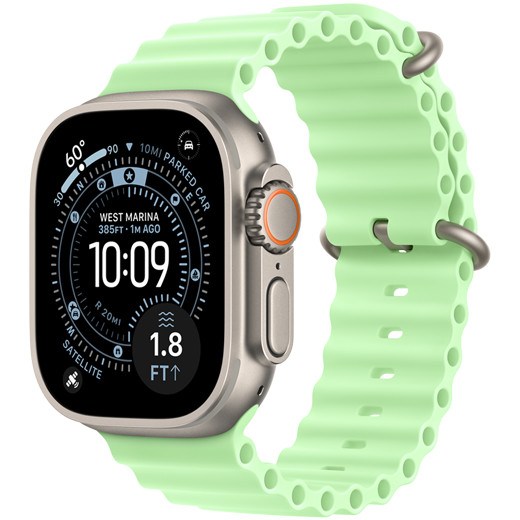
Apple Watch Ultra 3 — Best Premium / Outdoor ($799)
Check current price on Amazon →
The Ultra 3 is the right premium pick if you live in the iPhone ecosystem and your training mixes endurance days with regular smartwatch use. 36-hour normal battery, dual-frequency GPS, 100m water resistance, and the same Apple software that runs your phone. It is not the longest-lasting outdoor watch — Garmin’s Fenix 8 Pro still wins multi-day expeditions — but the Ultra 3 is the single best premium watch for someone who does not want to manage two ecosystems.
Buy if: You are on iPhone, you mix endurance training with regular smartwatch life, and you want one device for both.
Skip if: You are on Android, you do multi-day expeditions, or you cannot justify the $400 jump from the Series 11.
Pros
- Dual-frequency GPS — outdoor accuracy on par with Garmin flagships
- 36-hour battery (vs 24 on Series 11), up to 72h in Low Power Mode
- Cellular + Apple ecosystem features endurance watches cannot match (calls, texts, transit, Apple Pay)
Cons
- Still iPhone-only — no Android support of any kind
- Multi-day battery is short of the Fenix 8 Pro for true expedition use
Who it’s for: iPhone-using endurance athletes, hikers, divers, anyone who wants premium outdoor without leaving the Apple ecosystem.
Runner-up (Best Premium / Outdoor): Garmin Fenix 8 AMOLED (~$999). Beats the Ultra 3 on multi-day battery and topo mapping. Loses on ecosystem — if you live in iPhone-land, you give up Apple Pay, native Messages, and the watchOS app library.
👉 Also consider: Android user, or expedition-focused? The Garmin Fenix 8 Pro gives 30+ days in smartwatch mode. See the full Fenix 8 vs Ultra 3 comparison.
Go deeper: Fenix 8 AMOLED vs Apple Watch Ultra 3 — premium showdown.
Oura Ring 4 — Best Smart Ring (Wrist-Free) ($349)
Check current price on Amazon →
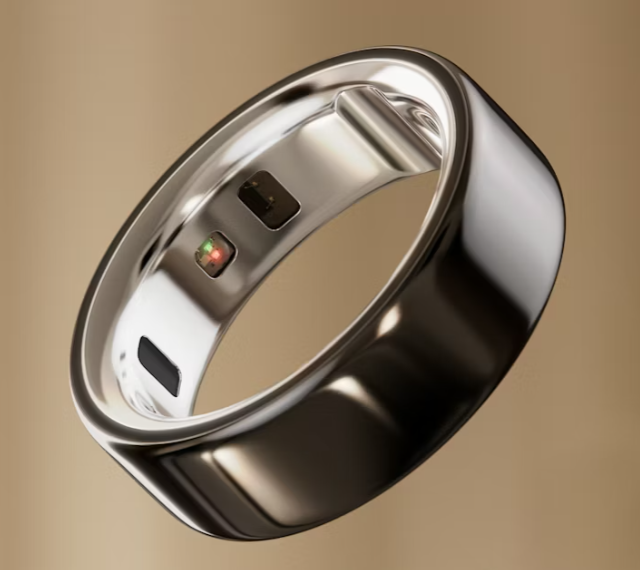
The right buy when you do not want a watch on your wrist. Oura is the most accurate sleep tracker on the market — better than Whoop, better than Garmin, better than Apple — because the finger is a quieter signal site than the wrist. The 8-day battery means you actually wear it. The trade-off is real: no GPS, no workout coaching, no smart features. This is a recovery and sleep tool that doubles as a passive activity tracker — not a training device.
Buy if: Sleep and recovery matter more to you than workout pacing, you want something invisible at work, or you already have a training watch.
Skip if: You will not pay $5.99/month, you want GPS or workout coaching, or you need an on-device display.
Pros
- Best sleep accuracy of any consumer wearable, full stop
- 8-day battery — set it and forget it
- Invisible during work, sleep, and dressier settings — nothing on your wrist
Cons
- No GPS, no real workout coaching, no on-device display
- $5.99/month subscription required for the meaningful insights (sleep stages, readiness scores, trends)
Who it’s for: Sleep-first users, executives, parents of young children, anyone whose recovery matters more than their workout splits.
Runner-up (Best Smart Ring): RingConn Gen 2 (~$249). No subscription, longer battery (~10 days), competitive sensor stack. Loses on sleep-stage accuracy and software polish — Oura’s sleep algorithm is still the reference standard, and the app is years ahead.
👉 Also consider: Want recovery scores plus an actual workout band? Look at Whoop 5.0 — see our Oura Ring 4 vs Whoop MG comparison.
Go deeper: Oura Ring 4 vs Apple Watch Series 11 — invisible ring or wrist computer?.
Don’t Buy: Apple Watch SE 3
The SE 3 is a fine smartwatch, but it is the wrong tool if you are shopping by the term ‘fitness tracker.’ No multi-band GPS, no ECG, no blood-oxygen sensor, no temperature tracking, no fall-from-bike detection, no skin temperature for cycle tracking. You are paying $249 for a watch that strips out the actual health-sensor stack that justifies an Apple Watch in 2026. If you want a budget Apple Watch with real fitness features, check Apple Refurbished for an Apple Watch Series 10 — those still beat the SE 3 sensor-for-sensor and can occasionally be found around $300. Or get the Charge 6 above for $159.
What it’s good for: It is a great smartwatch for someone who already has a fitness tracker and just wants iMessages on their wrist.
Why it’s wrong here: It is the wrong watch for the head term ‘fitness tracker’ — full stop.
What We Didn’t Include
- Whoop 5.0 / Whoop MG — A subscription-only band with no display is a focused recovery tool, not a general fitness tracker. We cover it in our Oura Ring 4 vs Whoop MG comparison.
- Garmin Fenix 8 Pro — The right answer for true expedition users on Android, but overkill for the head-term “fitness tracker” shopper. Compared head-to-head in our Fenix 8 Pro vs Apple Watch Ultra 3 guide.
- Garmin Venu 3 / Samsung Galaxy Watch 7 / Pixel Watch 3 — The right answer for Android shoppers who want an everyday lifestyle smartwatch with strong fitness tracking, not a sport-first watch or a sensor-band. We did not carve out a “Best Lifestyle Smartwatch” slot in this guide because the head term “fitness tracker” steers toward sensor- or sport-first picks. If you are an Android user shopping for a daily-driver smartwatch with solid sleep tracking and casual running, the Venu 3 (and to a lesser extent the Galaxy Watch 7 and Pixel Watch 3) deserves a direct look against the Forerunner 265. A dedicated lifestyle-smartwatch roundup is on our roadmap.
FAQ
What is the best fitness tracker in 2026?
For most people, the Apple Watch Series 11 — the broadest sensor stack and best app ecosystem if you are on iPhone. Runners specifically should go to the Garmin Forerunner 265. Budget shoppers should go to the Fitbit Charge 6. We rank the field by buyer type, not by feature count, because the answer depends on what you actually do every day.
Is the Apple Watch a fitness tracker?
Yes — the Series 11 and Ultra 3 are full fitness trackers with heart rate, ECG, blood oxygen, GPS, sleep tracking, and workout detection. The Apple Watch SE 3 is the exception: it strips out most of the health sensors that make an Apple Watch a fitness tracker, which is why it is our anti-pick on this list.
Do I need a fitness tracker if I have a phone?
Phones track steps and basic activity, but they fail at heart rate, sleep, real-time workout pace, and recovery. A fitness tracker captures data 24/7 from your skin — the moments you do not have your phone (sleep, swim, shower-recovery, strength sessions) are exactly when the most useful health data is generated.
What is the cheapest good fitness tracker?
The Fitbit Charge 6 at $159 streeting often under $130 on Amazon. It has built-in GPS, the best optical heart rate sensor in the budget tier, ECG, and 7-day battery. Below that price you are giving up GPS, sensor accuracy, or both.
Should I buy a smart ring instead of a watch?
If your priority is sleep tracking and you do not want a watch on your wrist, yes. The Oura Ring 4 is the best sleep tracker on the market. If you also want workout coaching, GPS, or on-device notifications, a watch is the better fit — a ring cannot do those things.
How often should I replace my fitness tracker?
Every 3 years for sensor accuracy and battery health, every 5 years if your current device still does what you need. Software support is usually shorter than hardware life — Apple supports models for ~5 years, Garmin/Fitbit closer to 4. If your battery drops to half its original life, that is the practical replace signal.
Last reviewed: May 2026 · Next review: July 2026
Methodology
Last updated April 30, 2026. We refresh this guide every quarter and on any major product launch. Picks are based on extensive product research, manufacturer specs verified against multiple third-party expert reviews and long-term tester data, hands-on input where available, and live Amazon street prices. We re-check pricing before every refresh; flag anything that looks stale to hello@fitnesstechtrends.com.
Disclosure: Fitness Tech Trends is reader-supported. Some links above are affiliate links, which means we may earn a commission if you click through and buy at no extra cost to you. Prices move fast — always verify current pricing on Amazon or the manufacturer’s site before purchase.
